
PROJECT OVERVIEW
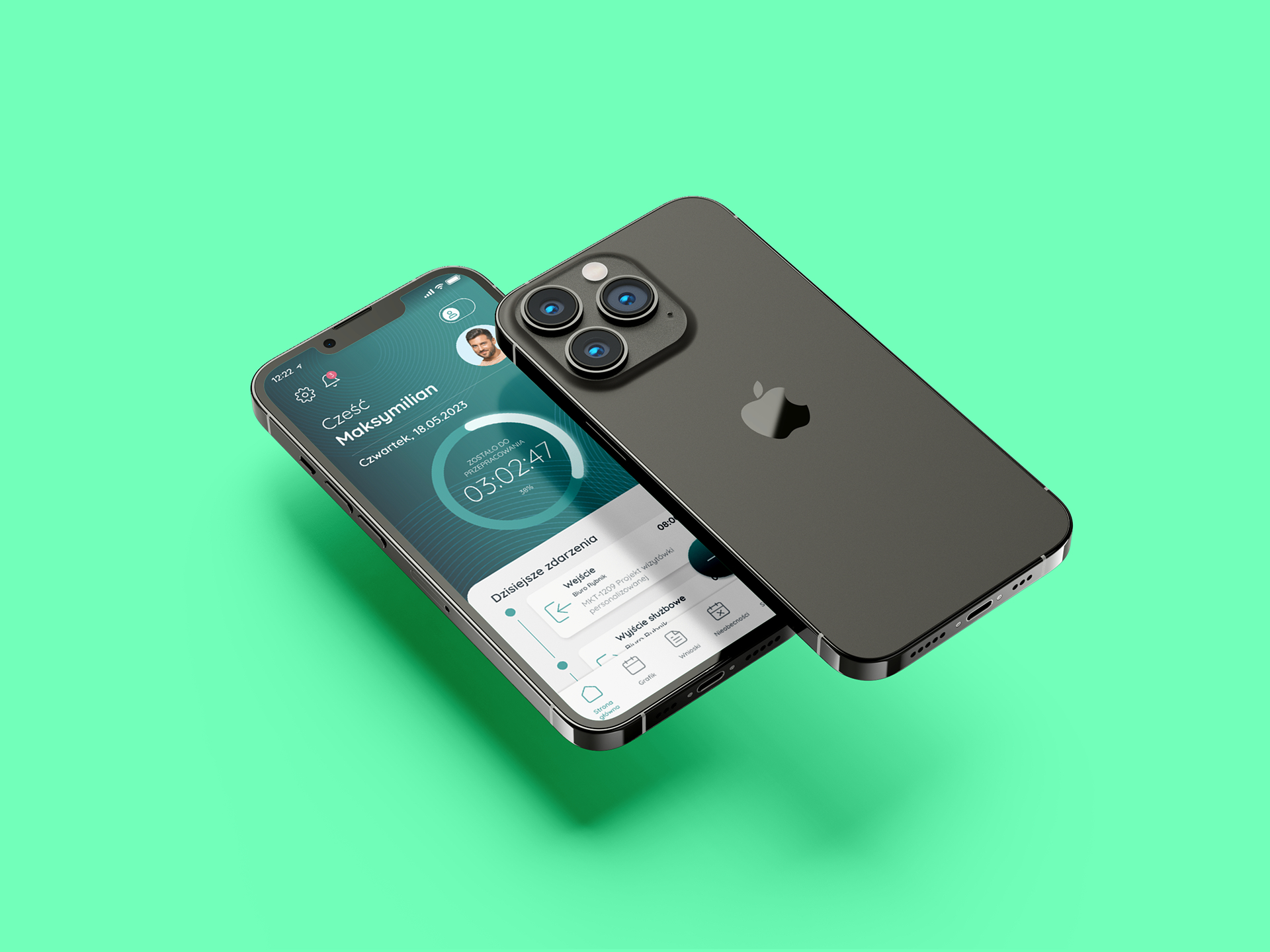
ATMS Watch is a mobile application dedicated to workforce management, time tracking, and team analytics. While the initial version launched in 2015 and underwent several updates, the 2023 strategic pivot focused on a complete UX/UI redesign to align the platform with modern usability standards and evolving user expectations.
CORE OBJECTIVE:
The primary goal was the implementation of the Manager’s Suite—a set of advanced features designed to streamline the management of large-scale teams, including:
The primary goal was the implementation of the Manager’s Suite—a set of advanced features designed to streamline the management of large-scale teams, including:
One-tap Approvals: Rapid processing (approval or rejection) of leave requests.
Mass Time Logging: Efficient, real-time recording of employee work hours.
Instant Schedule Access: Seamless visibility into employee shifts and work plans.
The introduction of the Manager’s Suite, combined with a refreshed User Interface, is strategically aimed at boosting market competitiveness and driving sales growth.
The initial phase of the ATMS Watch redesign focused on defining the project scope and objectives. My role included:
User Needs Discovery: Gaining a deep understanding of user pain points and expectations.
Business Goal Alignment: Translating product business requirements into design objectives.
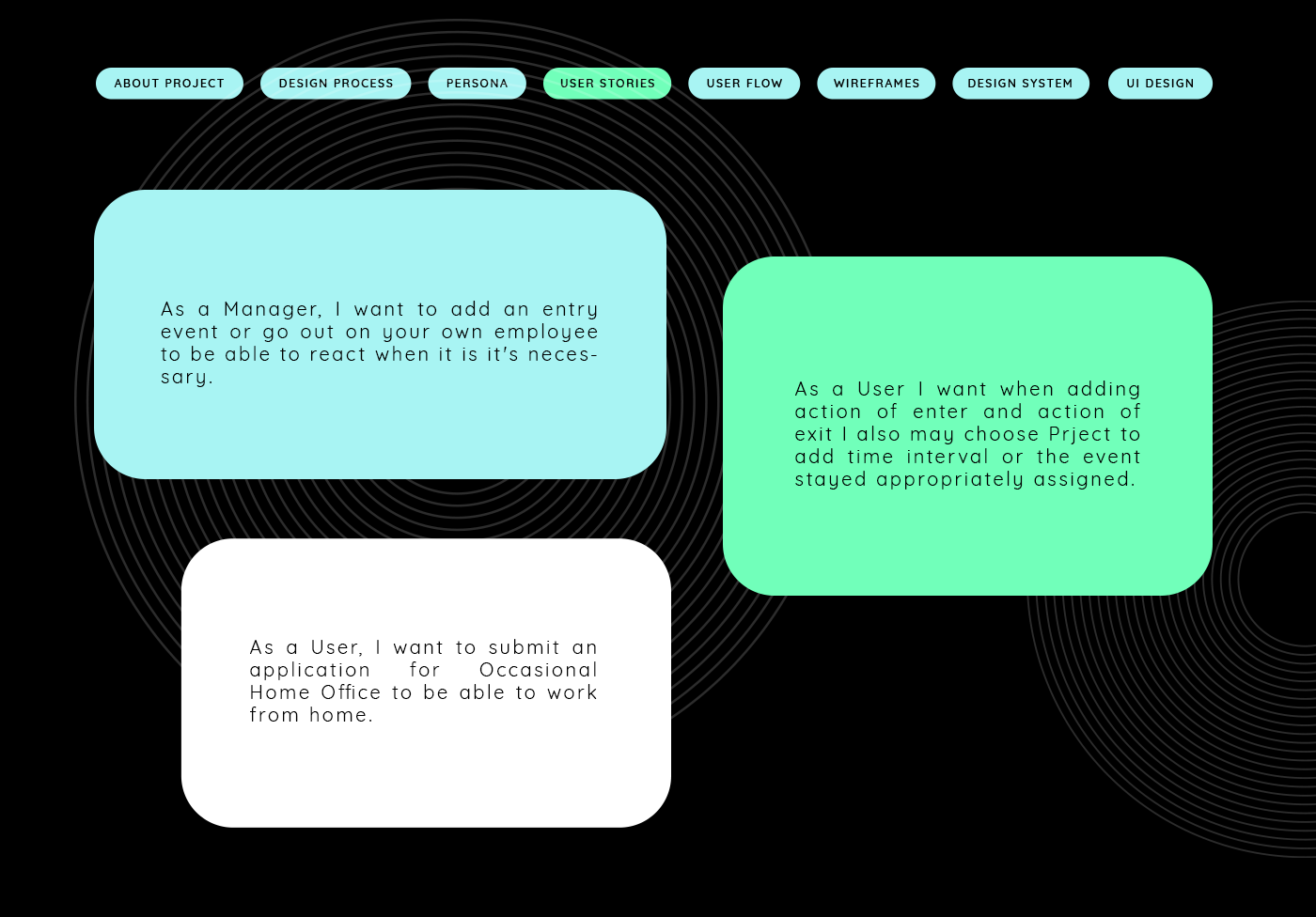
User Story Analysis: Reviewing and refining User Stories prepared by the business analyst to ensure they align with the user experience.

Research
We conducted a targeted user interview with a closed group of active users.
- Based on the research findings and sales data from companies using the application, I defined the User Personas.
- The next stage of the discovery phase involved a Competitive Analysis, focusing on usability benchmarks and innovative solutions within the market.
- Leveraging the analyst’s User Stories and research insights, I developed the User Flows and Information Architecture (Sitemap) using Miro.


UX DESIGN & TESTING
Based on the insights gathered, I transitioned into the visual design phase of the application. My responsibilities included:
Low-Fidelity & High-Fidelity Wireframing: Designing comprehensive layouts within Figma to map out the application's structure and detail.
Interactive Prototyping: Developing functional prototypes in Figma to simulate user interactions and transitions.
Cross-functional Internal Testing: Conducting initial review sessions with the development team (Android & iOS) and the sales department. These sessions aimed to iteratively identify technical constraints and predict potential corner cases.
Iterative Design Refinement: Implementing prototype adjustments based on test results to optimize the final user flow and technical feasibility.


UI DESIGN
Based on the gathered data and validated wireframes, I proceeded to the UI Design phase. The process consisted of the following stages:
Visual Identity Development: As the product lacked a comprehensive Corporate Identity (CI) beyond its logo, I was tasked with a complete visual refresh. Since the previous color palette and graphic solutions no longer met the client's expectations, I developed a robust Design System rooted in the logo’s core colors. This included selecting a new typography system and establishing a modern visual direction for the entire app.
Platform-Specific Design: The application was designed for both Android and iOS. I ensured that all interface elements adhered to their respective guidelines: Google Material Design and Apple Human Interface Guidelines.
Component Library & Assets: I designed a comprehensive component library and custom iconography, covering all interactive states and variants (buttons, validated input fields, lists, push notifications, timers, etc.).
Ergonomic Interaction Design: I implemented a Floating Action Button (FAB) for quick clock-in/clock-out registration. It was strategically placed in the bottom-right corner to ensure optimal thumb reachability and ease of use.


SUMMARY
The ATMS Watch project proved to be exceptionally challenging and complex due to significant technical constraints and the sheer variety of business scenarios the application must support across different industries.
The app is currently in the development phase, with further testing ahead. However, I can already confirm that the primary objective—the implementation of the comprehensive Manager’s Suite—has been successfully achieved. We have also delivered a refreshed, highly legible interface that is designed to be intuitive and drive the project’s core business goals.
Once development is complete, the application will undergo pre-release UAT (User Acceptance Testing). We have also planned a thorough post-implementation audit based on Nielsen’s Design Heuristics to further refine the UX and UI.

